What is an Arc Flash Hazard Analysis Study?

What is an Arc Flash Hazard Analysis Study?

Professional Arc Flash Studies & Equipment Labeling

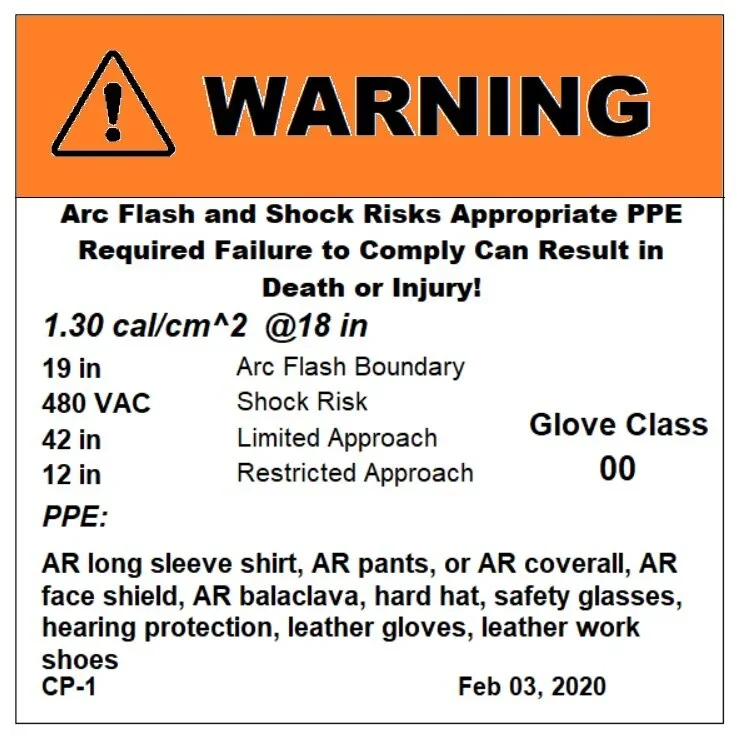
Protecting your employees and contractors starts with a comprehensive arc flash study and risk assessment. To ensure workplace safety, all energized electrical equipment must be analyzed and appropriately labeled with incident energy levels and boundary distances.

NFPA 70E & IEEE 1584-2018 Compliance

PowerCom’s expert electrical engineers provide detailed arc flash analysis studies for both three-phase and single-phase electrical systems. Our reports are strictly performed in accordance with the latest industry standards, including NFPA 70E and IEEE 1584-2018.

Meeting Mandatory Safety Standards

We help facility owners and managers maintain full regulatory compliance with major safety organizations, including:

  • OSHA (Occupational Safety and Health Administration)

  • NFPA (National Fire Protection Association)

  • The NEC (National Electrical Code)

By partnering with PowerCom, you eliminate the guesswork of electrical safety and ensure your facility meets all federal and local safety mandates. Contact Us For An Arc Flash Study Quote

Read More
What Are Electrical Infrared Inspections And Why Are They Important?

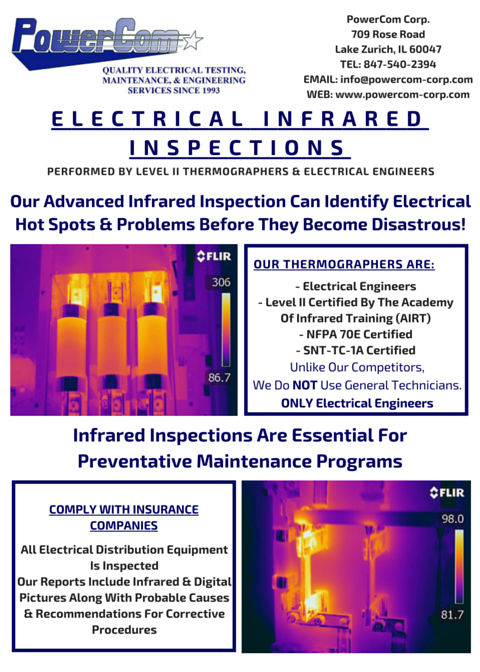
Electrical infrared inspections find hot spots caused by defects in connections and components. Increased resistance and heat are the primary reasons most electrical components fail.  Infrared cameras detect this heat. Infrared scanning is used to inspect electrical equipment because excess heat is usually the first sign of trouble.  Loose connections, imbalanced and/or overloaded circuits, defective breakers, damaged switches, faulty fuses, and material defects all lead to equipment failure and these are detectable by an infrared inspection.

Electrical infrared inspections are typically conducted on an annual basis as part of a regular preventive maintenance program. The infrared electrical testing allows for inspection of a large amount of electrical equipment in a short time as opposed to the alternative method of physically inspecting and tightening electrical components. The electrical infrared inspection locates faulty electrical items not generally found during a physical inspection.

Electrical infrared inspections locate problems before they lead to an unscheduled outage, equipment damage or a fire. Today’s facilities engineers are avoiding costly expenses every year with infrared electrical surveys. An infrared inspection or survey can substantially improve profitability and reduce your operating, testing and maintenance costs by offering the following benefits:

• Quickly pinpoints electrical systems problems
• Reduces downtime and electrical equipment damage
• Prevents catastrophic and costly system failures
• Allows engineers and facility managers to establish repair priorities
• Drastically improves preventive maintenance efficiency
• Can be tested under load to avoid costly system shutdowns

And because infrared thermography testing is non-contact and nondestructive testing (NDT), there is no need to interrupt system production. Our experienced Electrical Engineers are fully trained Level II Thermographers, and are able to inspect your electrical equipment under normal loads and operating conditions. By performing an infrared inspection of your electrical system in real time, our electrical infrared inspections can help you understand the practical impacts of emerging or existing electrical component problems.